
What Age Do Kids Usually Get Braces?
Introduction
Many parents wonder:
What age do kids get braces?
When should children start orthodontic treatment?
Is my child too young for braces?
The truth is, there is no single “perfect” age for braces because every child develops differently.
While many children begin orthodontic care between ages 9 and 14, the right timing depends on your child’s teeth, jaw growth, bite alignment, and overall orthodontic needs.
Some children benefit from early treatment focused on guiding jaw growth, while others may wait until more permanent teeth erupt.
Early orthodontic evaluations help identify problems before they become more serious and can support better long term oral health.
What Is the Average Age for Braces for Kids?

The average age for braces is usually between 9 and 14 years old.
This is the most common treatment window because:
Most permanent teeth have erupted
The jaw is still actively growing
Bite correction becomes easier
Orthodontic care is often more effective during development
Children are mature enough to manage braces and oral hygiene
Many children begin treatment after significant loss of baby teeth, allowing orthodontists to properly evaluate spacing, crowding, and bite alignment.
However, every child’s treatment plan is different.
What Is the Best Age for Braces?
The best age for braces depends on your child’s growth—not just their age.
Orthodontists often recommend treatment during periods of active jaw development because correcting bite issues becomes easier while the bones are still growing.
For many children:
Ages 7–10 may involve early orthodontic care or Phase 1 treatment
Ages 11–14 are the most common years for full braces
Ages 15+ may still benefit greatly from orthodontic treatment
The goal is to create healthy bite alignment while protecting long term oral health.
👉 Learn more about early orthodontic treatment here
When Do Kids Need Braces Earlier Than Normal?
Some children require braces or orthodontic care earlier than average.
Early treatment may be recommended if your child has:
Severe crowding
Crossbite
Underbite
Protruding front teeth
Jaw alignment problems
Significant spacing issues
Early or delayed loss of baby teeth
In these situations, orthodontists may recommend Phase 1 orthodontics to help guide jaw growth and improve bite development before full braces are needed.
👉 Learn more about Phase 1 orthodontics here
Types of Braces for Kids & Teens
Parents often ask which braces option is best for children.
Treatment options may include:
Metal Braces
Traditional metal braces remain one of the most effective options for correcting complex orthodontic issues.
Benefits include:
Durable design
Effective bite correction
Reliable results for severe crowding or jaw alignment problems
Ceramic Braces
Ceramic braces use tooth colored brackets that blend in more naturally with teeth.
Many teens prefer ceramic braces because they are less noticeable than traditional metal braces.
👉 Compare braces options here
Invisalign Clear Aligners
Some older teens may qualify for Invisalign treatment depending on their orthodontic needs.
How Orthodontists Decide If a Child Is Ready for Braces

Orthodontists look at several factors when determining braces timing.
Tooth Eruption Stage
They evaluate whether enough permanent teeth have erupted.
Jaw Growth and Development
Jaw growth affects timing for bite correction.
Bite Alignment
They assess issues such as:
Overbite
Underbite
Crossbite
Open bite
Severity of Crowding
More severe crowding may require earlier treatment.
Child’s Maturity Level
Because braces require cooperation, orthodontists consider whether the child can:
Maintain oral hygiene
Follow food restrictions
Attend appointments responsibly
Signs Your Child May Be Ready for Braces
Parents may notice signs that orthodontic treatment is becoming necessary.
Common signs include:
Crooked teeth
Crowding
Bite problems
Teeth overlapping
Difficulty chewing
Jaw shifting
Mouth breathing
Speech concerns
Uneven bite alignment
Gaps between teeth
👉 Learn more about early warning signs here
Can a Child Be Too Young for Braces?
Yes—sometimes.
Even if bite issues exist, orthodontists may delay braces if:
Too many baby teeth remain
Permanent teeth have not erupted enough
Growth timing is not ideal
In these cases, the orthodontist may recommend monitoring until treatment timing improves.
Does Getting Braces Earlier Mean Less Time in Braces?
Not always.
Starting braces early does not automatically shorten treatment.
In fact:
Some children need two phases of treatment
Others only need one phase later
The goal is proper timing, not simply starting early.
What Happens During a Braces Consultation?

A braces consultation typically includes:
Examining tooth alignment
Reviewing bite and jaw development
Taking X-rays / scans
Discussing treatment timing
Recommending braces or monitoring
What Happens If Orthodontic Problems Are Ignored?
Some parents wonder whether braces are truly necessary.
In some cases, untreated orthodontic issues may contribute to:
Uneven tooth wear
Increased cavity risk
Difficulty cleaning crowded teeth
Gum disease
Jaw discomfort
Speech difficulties
Long-term bite problems
Orthodontic treatment is not only cosmetic—it also supports healthier oral function and long term oral health.
Braces for Kids in Los Angeles
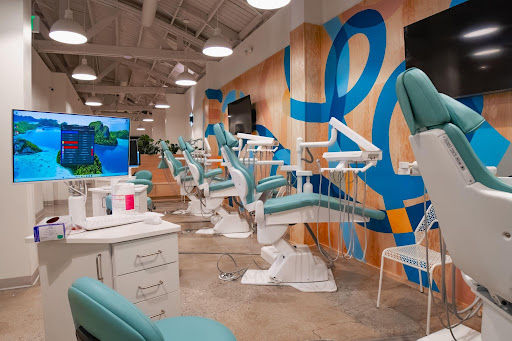
At Sola Kids Dental, we help families determine the best timing for braces based on each child’s development and orthodontic needs.
Our orthodontic evaluations focus on:
Tooth eruption patterns
Bite alignment
Jaw growth
Crowding severity
Long-term treatment planning
We provide personalized orthodontic care for children and teens throughout Los Angeles.
Learn more about our braces services here
FAQs About Braces Age for Kids
What age do kids usually get braces?
Most children begin braces treatment between ages 9 and 14.
At what age do orthodontists recommend getting braces for children?
Orthodontists often recommend evaluations by age 7, while full braces commonly begin between ages 9 and 14.
What are the best types of braces for kids starting treatment around age 10?
Many children benefit from traditional metal braces, while some older kids and teens may qualify for ceramic braces or Invisalign aligners.
What signs suggest my child may need braces?
Signs include crowding, crooked teeth, jaw shifting, bite problems, gaps, or difficulty chewing.
Can children receive orthodontic treatment before all baby teeth fall out?
Yes. Some children benefit from early orthodontic care designed to guide jaw growth and prevent worsening problems.
How do orthodontists decide if a child is ready for braces?
Orthodontists evaluate tooth eruption, bite alignment, jaw development, crowding, and overall treatment readiness.
Schedule a Braces Evaluation Today
If you’re wondering whether your child is at the right age for braces, the best next step is an orthodontic evaluation.
At Sola Kids Dental, we help families understand the right timing for braces and orthodontic treatment.
📞 Call us today: (323) 325-5641
🌐 Book online: https://www.solakidsdental.com/braces
The best age for braces depends on your child’s smile—not just their birthday.


Comments