
What Is a Crossbite in Children? Signs, Causes, and When to Treat It
When parents notice their child’s teeth do not line up properly, one common concern may be a crossbite. Many families search online asking, What is a crossbite in children? because they want to understand whether it is serious, if it affects growth, and when treatment should begin.
A crossbite is more than a cosmetic issue. It can affect how your child chews, how the jaw develops, speech patterns, and long-term oral health. The good news is that early diagnosis often leads to simpler and more effective treatment.
At Sola Kids Dental & Orthodontics, we help families across South Los Angeles identify bite problems early and create gentle, personalized treatment plans for children, teens, and young adults.
In this guide, we’ll explain what a crossbite is, common signs, causes, treatment options, and why early care matters.
What Is a Crossbite?

A crossbite happens when one or more upper teeth sit inside the lower teeth when your child bites down, instead of resting slightly outside them.
Normally, the upper teeth should fit just outside the lower teeth. When that relationship is reversed, it creates a crossbite.
Crossbites can involve:
Front teeth (anterior crossbite)
Back teeth (posterior crossbite)
One tooth or multiple teeth
One side of the mouth or both sides
Because teeth and jaws guide facial growth during childhood, untreated crossbites may worsen over time.
Learn more about early bite development from the American Association of Orthodontists: https://aaoinfo.org/
Types of Crossbite in Children

1. Anterior Crossbite
This occurs when one or more upper front teeth sit behind the lower front teeth.
It may look similar to an underbite, but not all anterior crossbites are true jaw underbites.
2. Posterior Crossbite
This happens when the upper back teeth bite inside the lower back teeth.
It often affects chewing and may cause the child to shift their jaw to one side.
3. Unilateral Crossbite
A crossbite affecting one side only. This can create facial asymmetry if left untreated.
4. Bilateral Crossbite
Affects both sides of the mouth and usually indicates a narrow upper jaw.
Why Crossbites Matter
Some parents assume children will “grow out of it,” but many crossbites do not self-correct.
If untreated, a crossbite may lead to:
Uneven tooth wear
Gum recession on affected teeth
Jaw shifting during chewing
Facial asymmetry
Difficulty chewing certain foods
Speech concerns
Higher risk of TMJ discomfort later in life
Crowding as permanent teeth erupt
That’s why early orthodontic screening is so valuable.
You may also like: What to Expect During Your Child’s First Orthodontic Visithttps://www.solakidsdental.com/
Signs of a Crossbite in Children

Parents may notice obvious signs, but some crossbites are subtle.
Watch for:
Teeth that look “reversed” when biting down
Chin shifting to one side when closing mouth
Uneven smile appearance
Frequent cheek biting
Difficulty chewing
Clicking or popping jaw sounds
Complaints of jaw discomfort
Speech changes
Crowded teeth
Sometimes a dentist identifies a crossbite before parents notice it.
What Causes a Crossbite?
Several factors can contribute to crossbite development.
Genetics
Jaw size and tooth alignment often run in families.
Delayed or Early Tooth Loss
Losing baby teeth too soon or too late can affect how adult teeth erupt.
Thumb Sucking or Pacifier Habits
Long-term oral habits can influence jaw shape and tooth position.
Related reading: How Thumb Sucking Can Affect Your Child’s Teethhttps://www.solakidsdental.com/
Mouth Breathing
Chronic mouth breathing may affect jaw growth and palate development.
Narrow Upper Jaw
A common reason for posterior crossbite is insufficient width of the upper arch.
Impacted or Misaligned Teeth
Permanent teeth may erupt into improper positions.
At What Age Should a Crossbite Be Treated?

Many crossbites are easiest to correct during childhood while the jaws are still growing.
The American Association of Orthodontists recommends children have an orthodontic evaluation by age 7.
Why age 7 matters:
Permanent teeth are starting to erupt
Jaw growth is active
Expansion appliances work more efficiently
Early treatment may prevent more complex braces later
Some children need treatment sooner, depending on severity.
How Dentists Diagnose a Crossbite
At Sola Kids Dental & Orthodontics, we perform a complete evaluation that may include:
Visual bite exam
Jaw movement assessment
Digital X-rays
Growth monitoring
Photos or scans
Checking airway and oral habits
We look beyond straight teeth and assess function, growth, and long-term stability.
Crossbite Treatment Options for Children
Treatment depends on age, cause, and severity.
1. Palatal Expander
A very common treatment for posterior crossbite caused by a narrow upper jaw.
Benefits:
Widens upper jaw gradually
Creates room for erupting teeth
Improves bite fit
Often works best in growing children
2. Braces
Braces may be recommended to move teeth into proper alignment.
Useful for:
Anterior crossbite
Multiple tooth movement
Crowding + crossbite together
3. Clear Aligners for Teens
Older children or teens with mild cases may qualify for clear aligners.
4. Habit Correction
Stopping thumb sucking or treating mouth breathing may be part of care.
5. Monitoring
Very mild cases may simply be observed until the right stage of development.
Does Crossbite Treatment Hurt?
Parents often worry about discomfort.
Most children adapt very well. Treatment usually involves:
Mild pressure for a few days
Temporary speech adjustment with expanders
Soft foods during early adaptation
Our team focuses on gentle care and child-friendly guidance to make treatment easier.
What Happens If a Crossbite Is Left Untreated?
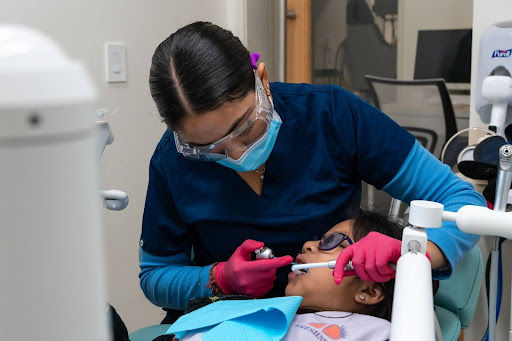
Untreated crossbite can become more complicated as your child grows.
Possible long-term effects:
Permanent jaw shift
Increased facial imbalance
Tooth wear and chipping
Gum problems
Crowding
More difficult orthodontic treatment later
Possible jaw discomfort in adulthood
Early intervention is often simpler and more affordable than delayed treatment.
Can a Crossbite Correct Itself?
Sometimes minor tooth alignment changes happen naturally, but true crossbites often do not self-correct.
If the jaw shifts or the upper jaw is narrow, professional treatment is usually needed.
Waiting too long may reduce simple treatment options.
Why Families Choose Sola Kids Dental & Orthodontics

Families trust us because we provide:
Pediatric-focused orthodontic care
Gentle, welcoming environment
English + Spanish support
Treatment for kids, teens, and young adults
Flexible appointments
Medi-Cal / PPO friendly options
Personalized treatment plans
We help children feel comfortable while building healthy smiles.
How to Help Your Child at Home
If your child has a suspected crossbite:
Schedule an evaluation early
Encourage nasal breathing if possible
Address thumb sucking habits
Maintain regular dental checkups
Keep teeth clean during treatment
Reassure your child treatment is common and manageable
Frequently Asked Questions
What is a crossbite in children?
A crossbite happens when upper teeth bite inside the lower teeth instead of outside them.
Is crossbite serious?
It can be if untreated. It may affect jaw growth, chewing, and tooth wear.
At what age should crossbite be treated?
Many children benefit from treatment between ages 7–10, but timing depends on the case.
Can braces fix a crossbite?
Yes. Braces often help, especially when teeth need repositioning.
Does every crossbite need an expander?
No. Some need braces, some need expanders, and some only need monitoring.
Can adults have crossbite too?
Yes, but treatment is often easier during childhood growth years.
Final Thoughts
If your child’s bite looks uneven, their jaw shifts when chewing, or teeth don’t line up properly, it may be a crossbite. Early treatment can protect development, improve comfort, and create a healthier smile.
At Sola Kids Dental & Orthodontics, we’re here to guide your family every step of the way with friendly, expert care.
📞 Call today to schedule an evaluation: (323) 325-5641🌐 Visit us online: https://www.solakidsdental.com
Healthy bites today can mean healthier smiles for life.


Comments