
How to Reduce Braces Pain: Helpful Tips for Kids, Teens, and Parents
Getting braces is an exciting step toward a healthier, straighter smile — but it is completely normal to feel some discomfort at the beginning. Many children, teens, and even adults ask the same question: how do you reduce braces pain?
The good news is that braces pain and discomfort is usually temporary, manageable, and a sign that treatment is working. When braces begin moving teeth into better positions, the mouth may feel tender for a few days after placement or adjustments. You may also notice swollen gums or sensitivity around the brackets — this is normal and typically settles on its own.
At Sola Kids Dental & Orthodontics, we help families throughout South Los Angeles understand what to expect during orthodontic treatment and how to stay comfortable every step of the way.
In this guide, we cover why braces pain happens, how long it lasts, the best ways to relieve discomfort — including how to relieve braces pain without medicine — and when to call your orthodontist.
Is Braces Pain Normal?
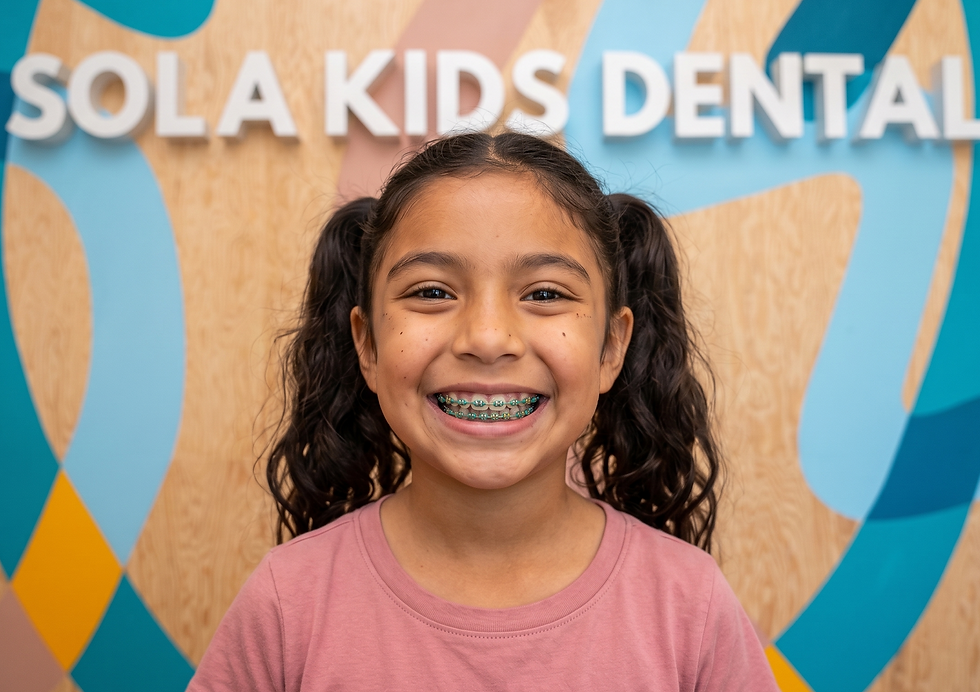
Yes. Mild soreness or pressure after getting braces or after tightening appointments is common.
Braces work by applying gentle, steady force that moves teeth through bone over time. That movement can temporarily irritate the surrounding tissues.
Common sensations include:
Pressure on teeth
Tenderness when biting
Sore cheeks or lips
Mild jaw fatigue
Sensitivity to chewing
Tight feeling after adjustments
This usually improves within several days.
Learn more about orthodontic treatment from the American Association of Orthodontists:https://aaoinfo.org/
When Does Braces Pain Usually Happen?

Braces discomfort often occurs during these stages:
1. First Week After Getting Braces
This is when many patients notice the most soreness.
2. After Adjustment Visits
Wire changes or tightening can create temporary pressure.
3. After Starting Rubber Bands
Elastics change bite forces and may cause mild soreness.
4. After Switching Appliances
Expanders, springs, or other devices may require adjustment time.
How Long Does Braces Pain Last?

For most people:
First placement soreness: 3–7 days
Adjustment soreness: 1–3 days
Minor irritation spots: varies, often improves quickly
Pain should gradually improve—not worsen.
Best Ways to Reduce Braces Pain

1. Eat Soft Foods
Switching to softer foods is one of the simplest and most effective ways to reduce braces pain and discomfort during tender days. Softer foods reduce the chewing pressure on sore teeth and irritated gums.
Good options include:
Mashed potatoes
Yogurt
Soup
Rice
Oatmeal
Eggs
Pasta
Smoothies
Soft fruit
Applesauce
Avoid crunchy or hard foods during sore days. Even braces-safe foods may feel uncomfortable when teeth are especially tender right after an adjustment.
2. Use Cold to Calm Soreness
Cold temperatures are a simple, medicine-free way to reduce inflammation and numb soreness — making this one of the best options for families wondering how to relieve braces pain without medicine.
Try:
Ice water sipped slowly throughout the day
Cold smoothies or chilled yogurt
Ice cream occasionally
Chilled fruit like grapes or melon
A cold (not frozen) soft ice pack held gently against the outside of the cheek for 10–15 minutes to ease jaw soreness
Many patients feel immediate relief with cold. Just avoid biting directly into ice or frozen foods, which can damage brackets.
3. Try Over-the-Counter Braces Pain Relief Options
Two main types of over-the-counter braces pain relief products can help:
Pain medication (oral): Common OTC pain relievers such as ibuprofen or acetaminophen may help reduce pain and discomfort after placement or adjustments. Always follow label directions, use age-appropriate products, and ask your doctor or dentist if you are unsure about dosage for your child.
Oral anesthetics (topical): Topical numbing gels — oral anesthetics like Orajel or similar products — can be applied directly to sore gum tissue for fast, localized relief. To use: dry the area gently, apply a small amount with a cotton swab, and press lightly against the irritated spot. These are especially helpful for braces irritation along the gumline and for younger children who are sensitive to soreness.
Both options are widely available at pharmacies and are safe when used as directed. Ask our team at your next visit if you have any questions about which products are appropriate for your child's age and health history.
4. Use Orthodontic Wax
Brackets may rub cheeks or lips during the adjustment period.
Orthodontic wax creates a protective barrier over irritating spots.
How to use:
Dry bracket area
Roll small wax ball
Press gently onto bracket
This can greatly improve comfort.
Preventing and Soothing Cheek Sores from Braces Rubbing
One of the most common complaints — especially in the first few weeks — is cheek sores caused by brackets rubbing against the soft tissue inside the mouth. Here is how to handle it:
Orthodontic wax first: Apply wax over the offending bracket as soon as you feel any rubbing. The sooner you apply it, the less likely a sore will develop.
Oral numbing gel: If a sore already exists, a small amount of oral anesthetic gel applied with a cotton swab can reduce pain directly at the site while it heals.
Saltwater rinse: Mix ½ teaspoon of salt into 1 cup of warm water and swish gently for 30 seconds. Saltwater is a natural antiseptic that soothes irritated gum tissue and helps cheek sores heal faster. Do not swallow.
Mouth rinse: An alcohol-free antibacterial mouth rinse (such as Colgate Peroxyl or similar) can also help soothe braces irritation and reduce inflammation along the gumline. Use as directed, once or twice daily.
Most cheek sores resolve within 1–2 weeks as the mouth toughens up and adapts to the brackets. If sores are persistent, worsening, or unusually painful, let our team know at your next visit.
5. Rinse with Warm Salt Water
A saltwater rinse may soothe irritated gums or cheeks.
Mix:
1 cup warm water
1/2 teaspoon salt
Swish gently for 30 seconds.
Do not swallow.
6. Stay Hydrated
Dry mouth can worsen irritation.
Encourage frequent water intake throughout the day.
7. Keep Teeth Clean
Food buildup can increase inflammation and sensitivity.
Brush gently and floss carefully.
Healthy gums usually feel better during treatment.
The American Dental Association offers oral hygiene guidance here:https://www.mouthhealthy.org/
8. Massage the Jaw Muscles
If jaws feel tired:
Open and close gently
Apply warm compress externally
Massage cheeks lightly
This may reduce tension.
What Foods Should Be Avoided During Painful Days?

During soreness, avoid foods that require heavy chewing.
Examples:
Hard chips
Nuts
Popcorn
Tough meat
Bagels
Raw carrots
Hard candy
Ice
Even braces-safe foods may feel uncomfortable when teeth are sore.
Why Braces Hurt More When Biting

Many patients notice pain mainly while chewing.
This happens because pressure increases when upper and lower teeth contact.
Try:
Smaller bites
Slower chewing
Softer meals
Cutting food into pieces
Soft Food Recommendations After Braces Tightening
Tightening appointments are when many patients feel some discomfort the most. Planning ahead with the right foods makes the first 2–3 days much easier. Here are soft food recommendations organized by meal:
Breakfast: Oatmeal, scrambled eggs, yogurt, smoothies, soft pancakes
Lunch: Soup, soft-boiled noodles, mashed sweet potato, hummus with soft pita
Dinner: Soft fish, well-cooked pasta, rice, lentils, tender cooked vegetables
Snacks: Applesauce, pudding, chilled yogurt, soft cheese, banana
Preparing these options the day before a tightening appointment means one less thing to worry about when your teen comes home sore. Avoid anything hard, crunchy, chewy, or sticky for the first 48–72 hours after an adjustment.
How to Help Kids With Braces Pain

Children may feel anxious when braces become sore.
Parents can help by:
Reassuring them discomfort is temporary
Preparing soft meals
Offering cold water or smoothies
Helping apply wax
Praising them for adjusting well
Keeping routine positive
Comfort and encouragement matter.
How Teens Can Manage Braces Pain at School
Teenagers often worry about discomfort during class.
Helpful tips:
Bring orthodontic wax
Pack soft lunch options
Carry water bottle
Use pain relief before school if appropriate
Avoid crunchy snacks
Keep lip balm handy
Does Pain Mean Braces Are Working?
Often yes. Mild soreness after adjustments usually means teeth are responding to new pressure.
However, severe pain is not required for progress.
Many successful patients experience only mild discomfort.
When to Call the Orthodontist
Some discomfort is normal. Call your provider if you notice:
Sharp wire poking deeply
Broken bracket
Severe swelling
Persistent intense pain
Trouble eating for many days
Mouth sores not improving
Appliance feels loose or damaged
Professional help can quickly improve comfort.
What If Wax Is Not Enough?
If wax doesn’t solve irritation:
Reapply on dry bracket
Use more coverage
Check if wire is protruding
Schedule office visit if needed
Sometimes a simple wire trim solves the issue.
Can Braces Cause Headaches?
Some patients feel mild headaches after adjustments due to pressure or jaw tension.
Helpful strategies:
Hydration
Rest
Soft foods
OTC pain relief if appropriate
Relax jaw muscles
If headaches are severe or frequent, contact your provider.
Will Pain Get Worse Every Month?
Usually no.
Many patients notice:
First adjustment feels strongest
Later visits feel easier
Mouth adapts over time
Most people become much more comfortable after the first few weeks.
Long-Term Benefits Make Temporary Soreness Worth It
Although braces soreness can be frustrating, treatment may help:
Straighten crowded teeth
Improve bite balance
Make brushing easier
Reduce wear on teeth
Improve smile confidence
Support jaw comfort
Temporary discomfort can lead to lasting benefits.
Why Families Choose Sola Kids Dental & Orthodontics
Families across South Los Angeles trust us because we provide:
Gentle orthodontic care for kids and teens
Friendly team that explains every step
Braces and clear aligner options
Comfortable, welcoming office
English + Spanish support
Personalized treatment plans
We help make orthodontic care easier for both kids and parents.
Frequently Asked Questions
How can I quickly relieve braces pain at home?
The fastest at-home options for braces pain relief are: rinsing with cold water or eating cold soft foods (ice cream, chilled yogurt, smoothies), applying orthodontic wax over any bracket causing irritation, using a topical oral anesthetic gel with a cotton swab on sore gum spots, and taking an OTC pain reliever like ibuprofen or acetaminophen if appropriate for your age and health. Most patients feel significant relief within the first hour using a combination of these approaches.
What over-the-counter products help reduce braces discomfort?
The most effective OTC products for braces pain and discomfort include: ibuprofen or acetaminophen for general soreness, oral anesthetic gels (like Orajel) for localized gum relief, orthodontic wax for bracket rubbing, and alcohol-free antiseptic mouth rinses for irritated or swollen gums. All are available at most pharmacies without a prescription.
What are effective over-the-counter pain relief options for new braces discomfort?
For new braces, the combination that works best for most patients is: ibuprofen taken about an hour before a tightening appointment (with parental approval and appropriate dosing), orthodontic wax applied immediately when brackets rub, and cold foods or cold water throughout the day. For younger children, ask your dentist about age-appropriate pain medication and whether topical oral anesthetics are suitable.
Are there pain relief gels recommended for braces pain?
Yes. Topical oral anesthetic gels are widely recommended for braces irritation. Products containing benzocaine (such as Orajel Mouth Sore Gel) or similar active ingredients can numb sore gum tissue quickly. Apply a small amount with a clean cotton swab directly to the irritated area. These gels work well for both bracket-related cheek sores and swollen gums around the braces. Always follow label directions and check age suitability — some products are not recommended for young children.
What are the best oral numbing gels for braces irritation?
Look for alcohol-free oral anesthetic gels at your local pharmacy. Common options include Orajel Mouth Sore Formula, Anbesol, and store-brand benzocaine gels. Apply with a cotton swab to the specific sore spot rather than spreading widely. These provide fast, targeted braces pain relief and are especially helpful during the first week of treatment and the 24–48 hours following adjustment appointments.
Which mouth rinses are effective for soothing braces irritation?
Saltwater rinses are the simplest and most accessible option — mix ½ teaspoon of salt in 1 cup of warm water and swish gently for 30 seconds. For more persistent irritation or swollen gums, an alcohol-free antiseptic rinse such as Colgate Peroxyl Mouth Sore Rinse can help reduce inflammation and promote healing. Avoid alcohol-based rinses, which can further irritate sensitive tissue. Rinse once or twice a day during sore periods.
What soft foods are recommended for sensitive teeth after braces tightening?
After a tightening appointment, the best foods are those that require little to no chewing: yogurt, smoothies, mashed potatoes, scrambled eggs, oatmeal, soft-cooked pasta and rice, soup, applesauce, pudding, and soft fish. Avoid anything crunchy, chewy, or hard for the first 48–72 hours. Cold versions of these foods — like chilled yogurt or a smoothie — have the added benefit of helping to numb soreness while you eat.
Tips for preventing cheek sores from braces rubbing?
The key is to act early before a sore develops. As soon as you feel a bracket rubbing, apply orthodontic wax to create a smooth barrier between the bracket and your cheek. Keep your mouth moist — dry mouth worsens friction. Rinse with saltwater daily during the first weeks of treatment to keep the tissue healthy. If a sore does develop, dab a small amount of oral anesthetic gel on it with a cotton swab to reduce pain while it heals. Most cheek sores resolve within 1–2 weeks as the mouth adjusts.
How long does braces pain last?
Most soreness after first placement improves within 3–7 days. After adjustment appointments, discomfort typically lasts 1–3 days. The good news is that most patients find each subsequent adjustment easier than the first — the mouth adapts over time, and what felt uncomfortable at the start of treatment often becomes barely noticeable within a few months.
Should I call the orthodontist for braces pain?
Normal soreness can be managed at home. Call Sola Kids Dental & Orthodontics at (323) 325-5641 if you experience: a wire poking sharply into the cheek or throat, a broken or loose bracket, severe swelling, pain that is getting worse rather than better after several days, mouth sores that are not improving, or any appliance that feels loose or damaged. These situations need professional attention — a quick visit often resolves the problem immediately.
Ready for a More Comfortable Orthodontic Experience?
At Sola Kids Dental & Orthodontics, we take extra care to explain every step of treatment — including what to expect, how to manage soreness, and when to reach out. Our South Los Angeles team works with kids, teens, and parents to make orthodontic care as smooth and stress-free as possible.
Whether your child is just starting to consider braces for kids and teens or is already mid-treatment, we are here to help.
📞 Call us: (323) 325-5641🌐 solakidsdental.com


Comments