
Composite vs. Silver Fillings for Kids: What Parents Should Know
Introduction
Finding out your child has a cavity can feel stressful — especially when the dentist presents you with options and you are not sure which one to choose. One of the most common questions parents ask at Sola Kids Dental and Orthodontics is:
• What is the difference between composite and silver fillings?
• Which filling is better for my child?
• Are silver fillings safe?
• Will my child's insurance cover a tooth-colored filling?
The good news is that both types of fillings are safe and effective for treating cavities in children. The right choice depends on the location of the cavity, your child's age, and your family's preferences. This guide breaks down everything you need to know so you can make a confident, informed decision.
What Is a Dental Filling?

A dental filling is a restorative treatment used to repair a tooth that has been damaged by decay. When a cavity forms, the decayed part of the tooth is removed and the space is filled with a material that restores the tooth's shape, strength, and function — protecting natural teeth from further damage.
Cavities are one of the most common chronic health conditions in children. Even kids who brush regularly can develop them — you can read more about why kids still get cavities even if they brush to understand the causes.
There are several types of dental fillings used in modern dentistry. The most common in pediatric dental care are:
Composite resin fillings - tooth-colored fillings that blend with natural teeth
Silver amalgam fillings - durable metal fillings for back teeth
Ceramic fillings (porcelain) - highly aesthetic, stain-resistant option for older patients
Gold fillings - extremely durable, rarely used today but occasionally recommended for specific cases
For most children at Sola Kids Dental & Orthodontics, the decision comes down to composite vs. silver fillings for kids — and this guide explains exactly how to choose. Your dentist will help you select the best type of dental filling based on your child's specific cavity, age, and dental care needs.
Types of Dental Fillings: A Complete Overview for Parents
Understanding all types of dental fillings helps parents make fully informed decisions — and helps this page serve as a useful reference any time questions come up. Here is a concise breakdown of the main filling materials used in dental care today:
Composite Resin Fillings (Tooth-Colored)
The most commonly placed filling type for children in modern pediatric dental care. Made from a blend of plastic and fine glass particles, composite fillings match the shade of natural teeth closely, making them virtually invisible. They bond directly to the tooth structure, which preserves more of the healthy natural tooth compared to other materials. Best for front teeth, small-to-medium cavities, and families who prioritize appearance.
Silver Amalgam Fillings
One of the oldest and most studied materials in dentistry — used for over 150 years. Amalgam is a blend of metals including silver, tin, copper, and a small amount of mercury in a stabilized alloy form. Silver fillings are highly durable and cost-effective, making them well-suited for back molars that handle heavy chewing forces. They are widely covered by Medi-Cal and Denti-Cal for posterior teeth.
Ceramic Fillings (Porcelain)
Ceramic fillings, also called porcelain fillings, are a premium tooth-colored option that is highly resistant to staining compared to composite resin. They closely mimic the appearance of natural teeth and are extremely durable. Ceramic fillings are more commonly used in adult dental care or for older teens with permanent teeth, as they tend to be more expensive and require a more precise fit. They are a strong choice for patients who want the best combination of aesthetics and longevity in visible areas.
Gold Fillings
Gold fillings are rarely placed today but remain one of the most durable options available — they can last 20 years or more. Gold is well-tolerated by gum tissue and extremely resistant to wear. However, the high cost, extended placement process (often requiring two appointments), and visible metallic appearance mean gold fillings are seldom recommended in pediatric dental care. They are mentioned here for completeness and for parents who may encounter them in discussions about restorative options.
Glass Ionomer Fillings
A lesser-known but useful option in pediatric dentistry. Glass ionomer fillings release fluoride over time, which can help protect the surrounding natural tooth structure from further decay. They are not as durable as composite or amalgam and are most commonly used for baby teeth, around the gumline, or as a transitional material. Our team may recommend this type in select cases.
For most children seen at Sola Kids Dental & Orthodontics, the core decision remains composite vs. silver fillings for kids — the two filling types covered in depth throughout this guide. The overview above is intended to give parents a complete picture of all available options in dental care today.
Composite vs. Silver Fillings for Kids: Side-by-Side Comparison
When weighing composite vs. silver fillings for kids, both materials are safe, effective, and approved for use in children's dental care. Here is how they compare across the factors that matter most to parents:
Appearance
Composite fillings are designed to match the shade of natural teeth exactly, making them nearly invisible even on close inspection. Silver fillings have a distinct metallic appearance that becomes visible when the child opens their mouth wide. For front teeth or any tooth visible when smiling, composite is almost always the preferred choice to preserve the natural look of the smile.
Durability
Silver fillings tend to last longer — typically 10 to 15 years or more — particularly in back teeth that endure heavy chewing forces. Composite fillings are durable and continue to improve with advances in dental materials, but may need replacing sooner in high-pressure areas. For baby teeth that will naturally fall out, longevity is less of a deciding factor.
Preservation of Natural Tooth Structure
Composite fillings bond directly to the surface of natural teeth, which means the dentist removes less healthy tooth structure during preparation. Silver fillings require a slightly larger cavity to be shaped in the tooth to hold the material in place mechanically. When preserving as much of the natural tooth as possible is a priority, composite has an edge.
Cost and Insurance Coverage
Silver fillings are generally less expensive and more widely covered by insurance plans, including Medi-Cal and Denti-Cal for back teeth. Composite fillings for back teeth may require an out-of-pocket contribution depending on the plan. Our front office team will verify your child's dental care coverage before treatment begins — no surprises
.
Safety
Both types of dental fillings are considered safe for children over age six. The American Academy of Pediatric Dentistry and the American Dental Association endorse both composite and amalgam as appropriate choices in pediatric dental care. Silver fillings are not recommended for children under age six, pregnant women, or those with certain kidney conditions — in those cases, composite or another filling type is used instead.
Best Tooth Location
Composite fillings are ideal for front teeth and visible areas where matching natural teeth matters most. Silver fillings are often recommended for back molars due to their superior durability under chewing pressure. In many cases, composite can also be used on back teeth — your dentist will advise based on your child's specific situation.
What Are Composite Resin Fillings?

Composite resin fillings — also called tooth-colored fillings or white fillings — are made from a mixture of plastic and fine glass particles. They are designed to match the natural color of your child's teeth, making them virtually invisible.
How composite fillings work
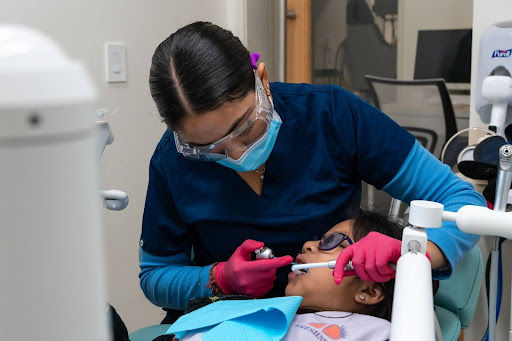
The dentist removes the decayed area, applies the composite resin in layers, and hardens each layer with a special curing light. The filling is then shaped and polished to blend seamlessly with the surrounding tooth.
Advantages of composite fillings for kids

• Tooth-colored appearance — blends in naturally, especially important for front teeth
• Bonds directly to the tooth, which means less healthy tooth structure needs to be removed
• Can be used to repair both small and medium cavities
• Less sensitivity to temperature changes compared to amalgam in some cases
• Aesthetically preferred by many families
Disadvantages of composite fillings
• May not be as durable as silver fillings in high-pressure areas like back molars
• Can take slightly longer to place
• May not be fully covered by Medi-Cal or Denti-Cal for back teeth — more on this below
• Can stain over time with certain foods and drinks
What Are Silver (Amalgam) Fillings?

Silver fillings — formally called dental amalgam — have been used in dentistry for over 150 years. They are made from a combination of metals including silver, tin, copper, and mercury. Despite the presence of mercury, dental amalgam has been studied extensively and is considered safe for children over the age of six by the American Dental Association and the FDA.
How silver fillings work
The dentist removes the decayed tooth material, shapes the cavity to hold the filling, and packs the amalgam into the space. It hardens quickly and creates a very durable restoration.
Advantages of silver fillings for kids
• Extremely durable — can last 10 to 15 years or more
• Handles chewing pressure very well, making them ideal for back molars
• Faster to place than composite in many cases
• Generally less expensive
• More likely to be fully covered by Medi-Cal and Denti-Cal for posterior (back) teeth
Disadvantages of silver fillings
• Silver-gray color — visible when the child opens their mouth wide
• Requires slightly more tooth structure to be removed for placement
• Some parents have concerns about mercury content, though regulatory bodies confirm amalgam is safe
• Can cause minor temperature sensitivity in some children
• Not recommended for children under age 6, pregnant women, or those with certain health conditions
Which Filling Is Best for My Child?
The right filling depends on several factors your dentist will evaluate:
Location of the cavity
Front teeth — where appearance matters — are almost always restored with composite. Back teeth that handle chewing pressure may be better suited to silver fillings in some cases, though composite is increasingly used there too.
Size of the cavity
Small to medium cavities can typically be treated with either material. Very large cavities in back teeth may be better suited to silver fillings due to durability needs.
Child's age
For younger children with baby teeth, the filling only needs to last until that tooth naturally falls out — so a less expensive silver filling may make practical sense. For permanent teeth, long-term durability and appearance both matter more.
Insurance coverage
If your family is covered by Medi-Cal or Denti-Cal, silver fillings are more likely to be fully covered for back teeth. Our front office team can check your child's benefits and explain what is covered before any treatment begins.
Family preference
Some families prefer tooth-colored fillings for all teeth regardless of location, and that is a completely valid choice. We respect your preferences and will explain the trade-offs clearly so you can decide with confidence.
Are Silver Fillings Safe for Children?
This is one of the most common concerns parents bring to us. The short answer is yes — dental amalgam has been approved and studied extensively for decades.
The mercury in amalgam fillings is bound to other metals, forming a stable alloy. It does not behave the same way as pure mercury. Major health organizations including the American Dental Association, the American Academy of Pediatric Dentistry, and the FDA have all confirmed that amalgam fillings are safe for children aged six and older.
That said, the FDA recommends avoiding amalgam fillings in children under age six, pregnant women, and people with certain kidney conditions. If any of these apply to your child, our team will recommend composite as the safer alternative.
If you have concerns, we always encourage you to ask questions. Our dentists will walk you through every option and help you feel fully informed before treatment begins.
Does My Child Really Need a Filling for a Baby Tooth?
This is another question we hear often — and it is a fair one. If the baby tooth is going to fall out anyway, why fill it?
The answer is that baby teeth matter more than most parents realize. They:
• Hold space for permanent teeth coming in underneath
• Support proper chewing and nutrition
• Help with speech development
• Guide jaw growth and development
An untreated cavity in a baby tooth can spread quickly, cause pain, lead to infection, and even affect the permanent tooth forming beneath it. In more serious cases, a dental emergency may result — which is always more stressful and costly than treating a cavity early.
If you ever find yourself in that situation, our emergency dental service is available for same-day urgent care.
How to Prevent Cavities and Avoid Fillings Altogether
The best filling is the one your child never needs. Preventing cavities starts with good daily habits and regular professional care. You can also explore our guide on dental sealants for kids — a protective coating that can significantly reduce the risk of cavities in molars.
Key prevention habits include:
• Brushing twice a day for two full minutes with fluoride toothpaste
• Flossing once a day — especially between back teeth where cavities often start
• Limiting sugary drinks and sticky snacks between meals
• Attending dental checkups every six months for professional cleanings and early detection
• Asking about fluoride treatments and sealants at your child's next visit
Learn more about what our team offers on the Dental Treatments page.
Frequently Asked Questions About Fillings for Kids
What are the different types of dental fillings for kids?
The main types of dental fillings used in pediatric dental care are composite resin (tooth-colored), silver amalgam, ceramic (porcelain), glass ionomer, and gold fillings. For most children, the choice comes down to composite vs. silver fillings — composite for its natural appearance and silver for its durability in back teeth. Our team will recommend the best type of dental filling based on your child's specific cavity, age, and coverage.
What is the difference between composite and silver fillings for kids?
Composite fillings are tooth-colored, bond directly to natural teeth, and are virtually invisible. Silver fillings are metallic, extremely durable, and better suited for back molars under heavy chewing pressure. Composite fillings preserve more natural tooth structure; silver fillings are more likely to be fully covered by Medi-Cal and Denti-Cal for back teeth. Both are safe and effective options in children's dental care.
What are ceramic fillings and are they used for kids?
Ceramic fillings, also called porcelain fillings, are a premium tooth-colored option that resists staining better than composite resin and very closely mimics natural teeth. They are more commonly recommended for older teens with permanent teeth or adults, as they tend to be more expensive. For younger children, composite or silver fillings are typically the more practical choice in everyday dental care.
Are gold fillings still used?
Gold fillings are rarely placed today, especially in pediatric dental care. While they are among the most durable type of dental filling available — lasting 20 years or more — they are expensive, require multiple appointments, and have an obvious metallic appearance. For children, composite or silver fillings are almost always the recommended choice.
How do I know if my child has a cavity?
Some cavities cause visible dark spots or holes, while others can only be detected with X-rays during a routine dental care checkup. Common signs include tooth sensitivity to sweets or temperature, pain when biting, or a visible change in the tooth's color or texture. Regular checkups catch cavities early when they are easiest and least costly to treat.
Do fillings hurt?
The area is numbed with a local anesthetic before the procedure, so your child should not feel pain during the filling. Some children experience mild sensitivity in the natural tooth for a day or two afterward, but this resolves on its own. Our team at Sola Kids Dental specializes in gentle, child-friendly care that keeps kids calm throughout the process.
How long do fillings last in baby teeth?
Silver fillings in baby teeth typically last until the tooth naturally falls out. Composite fillings are equally effective for baby teeth and are often preferred for their natural appearance. The lifespan of any filling depends on your child's oral hygiene habits, diet, and how well they follow dental care recommendations.
Can my child eat right after getting a filling?
With composite fillings, your child can eat almost immediately since the material is hardened with a curing light in the office. With silver fillings, it is best to wait at least 24 hours before chewing on that side to allow the material to fully set. Our team will give you specific post-care instructions based on the type of dental filling placed.
Does Medi-Cal cover fillings for kids?
Yes — Medi-Cal and Denti-Cal cover dental fillings for children as part of routine dental care. Silver fillings for back teeth are generally fully covered. Coverage for composite (tooth-colored) fillings may vary by tooth location. Our team will verify your child's benefits before treatment so you know exactly what to expect.
What if my child is anxious about getting a filling?
Dental anxiety is very common in children. Our team at Sola Kids Dental specializes in gentle, child-friendly dental care. We explain every step in simple language, go at your child's pace, and use techniques to help them feel calm and comfortable throughout the visit. Many kids leave feeling proud of how well they did.
Is it better to fill or pull a baby tooth?
Whenever possible, we prefer to save the tooth with a filling or other restorative dental care. Pulling a baby tooth early can cause neighboring natural teeth to drift and create space problems for the permanent tooth coming in. Extraction is only recommended when the tooth cannot be saved or poses a risk to the child's overall health.
Does Your Child Have a Cavity? We Make Treatment Easy.
At Sola Kids Dental and Orthodontics, we treat cavities with care, patience, and options your family can feel good about. Whether composite or silver is the right choice, our team will walk you through everything before we begin — no surprises, no pressure.
We accept Medi-Cal, Denti-Cal, and most PPO insurance plans. Same-day appointments are often available for urgent concerns.
Book your child's appointment today:
Website: www.solakidsdental.com
Phone: (323) 325-5641


Comments