
Signs Your Child May Need Overbite Treatment — And How We Can Help
Many parents notice that their child's top front teeth seem to stick out or cover too much of the lower teeth when they bite down. This common bite issue is called an overbite — and it's one of the most frequent concerns we hear about at Sola Kids Dental & Orthodontics.
Families often ask whether it's something a child will outgrow or if treatment is necessary. The truth is that some mild overbites are normal, but a moderate or severe misaligned bite can affect chewing, speech, jaw pain, tooth wear, confidence, and long-term oral health.
At Sola Kids Dental & Orthodontics, we help children, teens, and families across South Los Angeles understand bite problems early and choose the right orthodontic treatment at the right time.
In this guide, we'll cover what an overbite is, the signs to watch for, treatment options, and why starting care during your child's growth years makes a meaningful difference.
What Is an Overbite?

An overbite describes how much the upper front teeth vertically overlap the lower front teeth when the mouth closes — also called teeth overlap. A small amount is completely normal. Problems develop when the overlap is excessive or starts causing symptoms that affect your child's daily life.
A misaligned bite involving an overbite may relate to:
Teeth position and eruption patterns
Jaw growth patterns
Habits such as thumb sucking or pacifier use
Genetics
Airway or oral posture issues
Overbite is different from overjet, which refers to the horizontal protrusion of upper teeth rather than vertical overlap.
Learn more about early orthodontic evaluations from the American Association of Orthodontists.
Why Overbite Treatment Helps Children
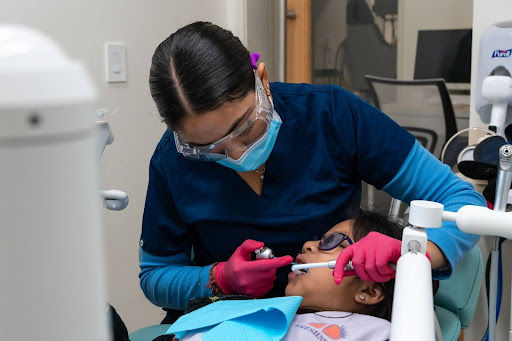
Parents often assume overbite correction is cosmetic, but treatment can improve many important functions.
Overbite treatment helps children by:
Improving chewing efficiency
Reducing strain on jaw joints
Protecting teeth from uneven wear
Improving speech in some cases
Reducing trauma risk to protruding front teeth
Supporting healthy facial development
Making brushing easier in crowded cases
Boosting smile confidence
When treatment is timed during growth years, results are often more efficient.
Signs Your Child May Need Overbite Treatment

Some overbites are easy to spot, while others are only identified during a professional dental exam. Knowing the signs early gives your child the best chance at effective, efficient treatment.
Common signs your child may need overbite treatment include:
Upper teeth cover most or all of the lower front teeth
Front teeth and jaw appear noticeably misaligned
Difficulty biting into or chewing certain foods
Lip strain when trying to close the mouth fully
Mouth breathing
Teeth grinding or clenching
Jaw pain, clicking, or discomfort
Speech issues or changes in pronunciation
Frequent biting of the palate or gums
Child feels self-conscious about their smile
If you notice any of these signs, a professional evaluation is the right next step. The earlier we assess the bite, the more treatment options are available.
What Causes Overbite in Children?

1. Genetics
Jaw size, teeth and jaw structure, and facial growth patterns often run in families. If a parent had an overbite, there's a reasonable chance a child may develop one too.
2. Thumb Sucking or Pacifier Use
Extended sucking habits can push upper teeth forward and influence how the bite develops over time.
Related reading: How Thumb Sucking Can Affect Your Child’s Teeth
3. Tongue Thrusting
Repeated tongue pressure against the front teeth can affect alignment and contribute to teeth overlap.
4. Jaw Growth Imbalance
The upper jaw may grow more forward than the lower jaw, or the lower jaw may develop more slowly — both can result in a misaligned bite.
5. Tooth Position
Even when jaw growth is normal, the way teeth erupt can create an overbite that requires orthodontic treatment.
Can Children Outgrow an Overbite?
Sometimes mild bite changes improve naturally during growth, but many moderate or severe overbites do not correct on their own.
Waiting too long may lead to:
Increased tooth wear
Higher injury risk to front teeth
More difficult treatment later
Jaw discomfort
Lower confidence during teen years
That’s why monitoring growth is important.
What Age Should Overbite Be Evaluated?
The American Association of Orthodontists recommends children have their first orthodontic evaluation by age 7.
Why age 7 matters:
Permanent teeth are beginning to erupt alongside baby teeth
Bite patterns and teeth and jaw relationships become easier to assess
Jaw growth can still be guided with the right appliances
Early intervention may reduce the complexity of future orthodontic treatment
Not every child needs treatment at age 7, but early screening is valuable — and at Sola Kids Dental, your first orthodontic consultation is free.
👉 Learn more about Phase 1 orthodontics and early treatment options.
How Dentists Diagnose an Overbite

At Sola Kids Dental & Orthodontics, we evaluate:
Tooth alignment
Amount of vertical overlap
Jaw growth pattern
Facial profile
Chewing function
Airway and oral habits
X-rays when needed
Future eruption patterns
We create treatment plans based on both function and appearance.
How Overbite Treatment Helps Children at Different Ages

Ages 7–10: Growth Guidance
At younger ages, functional appliances may help guide jaw development while growth is still active. Early orthodontic treatment at this stage can:
Improve the bite relationship before permanent teeth fully erupt
Create space for incoming teeth
Reduce the need for more involved treatment later
👉 Learn more about Phase 1 orthodontics.
Ages 11–14: Braces Phase
As more permanent teeth erupt, braces are commonly used to align teeth and correct the misaligned bite relationship. This is the most common treatment phase for overbite correction.
Teen Years
Teens can still achieve excellent results. Depending on the severity of the overbite, metal or ceramic braces or clear aligners for teens may be appropriate options.
Common Overbite Treatment Options for Children
1. Braces
Traditional braces are highly effective for correcting overbite and aligning teeth.
They may help:
Move front teeth into better positions
Improve bite contact
Correct crowding at the same time
2. Clear Aligners for Teens
Some older children or teens may qualify for clear aligners depending on severity.
3. Functional Appliances
Devices such as Twin Block appliances may help guide jaw growth in selected children.
4. Elastics (Rubber Bands)
Often used with braces to improve bite relationship.
5. Habit Correction
Stopping thumb sucking or tongue thrusting can support stability.
Does Overbite Treatment Hurt?
Most children experience mild pressure rather than pain during orthodontic treatment. Common temporary sensations include:
Soreness after adjustments
Pressure on teeth for a few days
Mild speech changes when wearing appliances
Our team uses gentle techniques and clear instructions to keep your child as comfortable as possible throughout treatment.
What Happens If Overbite Is Left Untreated?
Not every overbite causes problems, but untreated moderate or severe overbite may lead to:
Chipped front teeth
Excess wear on lower teeth
Gum irritation behind upper teeth
Jaw strain or TMJ symptoms
Difficulty chewing
Speech concerns
Smile insecurity
Early care can often prevent these issues.
How Long Does Overbite Treatment Take?
Treatment time depends on:
Child’s age
Growth stage
Severity of overbite
Appliance type
Consistency with instructions
General timelines:
Early appliance phase: 6–12 months
Full braces treatment: 12–24 months
Retainers after treatment for stability
Each child is different.
How Parents Can Help During Treatment
Support successful treatment by:
Attending regular visits
Encouraging brushing and flossing
Limiting sticky or hard foods with braces
Making sure appliances are worn as directed
Encouraging positive attitude and patience
Consistency matters.
Why Families Choose Sola Kids Dental & Orthodontics
Families across South Los Angeles choose us because we offer:
✔ Pediatric-focused orthodontic care in a welcoming environment
✔ Bilingual English + Spanish team
✔ Dental and orthodontic care in one office
✔ Medi-Cal and PPO friendly options
✔ Flexible scheduling across multiple locations
✔ Free orthodontic consultations
✔ Braces starting at $99/month
We help children feel comfortable while building healthy smiles.
Frequently Asked Questions
Q: How does overbite treatment benefit children's oral health?
Overbite treatment addresses more than appearance. Correcting a misaligned bite reduces jaw pain, protects against uneven tooth wear, improves chewing function, and supports healthy teeth and jaw development over time. Left untreated, a significant overbite can contribute to ongoing health issues including TMJ discomfort and damaged enamel.
Q: What are the long-term benefits of correcting a child's deep bite?
Correcting a deep bite early helps prevent chipped teeth, excess wear on lower teeth, gum irritation, jaw pain, and speech issues. It also supports proper facial development and can reduce the need for more complex orthodontic treatment as your child gets older.
Q: What are the best overbite treatment options for kids in Los Angeles?
The most common orthodontic treatment options for children with an overbite include braces, functional appliances for younger children, and clear aligners for teens. The right option depends on your child's age, growth stage, and the severity of their misaligned bite. At Sola Kids Dental & Orthodontics, we evaluate each child individually and recommend the most effective approach for their specific case.
Q: What are the early overbite correction methods for young children?
For children ages 7–10, functional appliances can help guide jaw growth while it's still active. This type of early orthodontic treatment — sometimes called Phase 1 — can improve the bite relationship early and reduce the need for more complex treatment later. Learn more about Phase 1 orthodontics.
Q: Which orthodontic services in Los Angeles specialize in children's overbite correction?
Sola Kids Dental & Orthodontics specializes in pediatric and orthodontic care for children, teens, and young adults across South Los Angeles. We offer overbite evaluation, Phase 1 treatment, braces, and clear aligners — all in a kid-friendly environment with bilingual staff.
Q: How does fixing an overbite improve a child's speech?
A significant overbite or misaligned bite can interfere with how certain sounds are formed. When the teeth and jaw are properly aligned through orthodontic treatment, some children experience noticeable improvement in pronunciation and speech clarity, particularly with sounds that rely on correct tongue and tooth positioning.
Q: Can overbite treatment improve my child's speech and chewing?
Yes. Orthodontic treatment that corrects a misaligned bite can improve both chewing efficiency and speech in children where the overbite is contributing to those difficulties. During your child's evaluation, we'll assess bite function and discuss whether treatment is likely to help.
Q: What types of orthodontic appliances are used for children's overbites?
Depending on your child's age and overbite severity, treatment may involve traditional braces, functional appliances such as Twin Blocks, rubber bands used alongside braces, or clear aligners for older teens. Each option works differently to correct teeth overlap and improve the overall bite relationship.
Q: Are there affordable overbite treatment plans for children near me?
Yes — Sola Kids Dental offers braces starting at $99/month and accepts Medi-Cal and most PPO insurance plans. We also offer free orthodontic consultations so you can understand your child's treatment options and costs before making any decisions. Call us at (323) 325-5641 to get started.
Q: How do I find a pediatric orthodontist specializing in overbite treatment in Los Angeles?
Sola Kids Dental & Orthodontics has three locations across South Los Angeles and specializes in orthodontic care for children and teens. We offer free consultations, flexible scheduling, and bilingual support. Book a free consultation or call (323) 325-5641.
Final Thoughts
If your child’s front teeth seem to stick out too far, cover the lower teeth excessively, or cause difficulty with chewing or confidence, it may be time for an overbite evaluation. Early treatment can help guide jaw development, protect teeth, improve bite function, and support a healthier smile as your child grows.
At Sola Kids Dental & Orthodontics, we’re here to support your family with friendly, gentle, and expert orthodontic care for kids, teens, and young adults.
📞 Call today to schedule an evaluation: (323) 325-5641🌐 Visit us online: www.solakidsdental.com
Healthy bites today can help create confident smiles for years to come.


Comments